What It's Like to Live in Tbilisi, Georgia | |
|
Tbilisi offers big-city energy without the burnout—affordable, walkable, full of flavor, and surrounded by mountains and history.
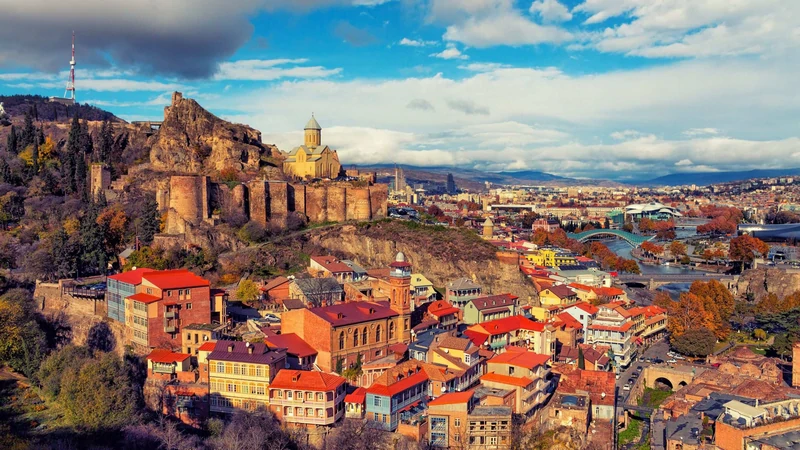
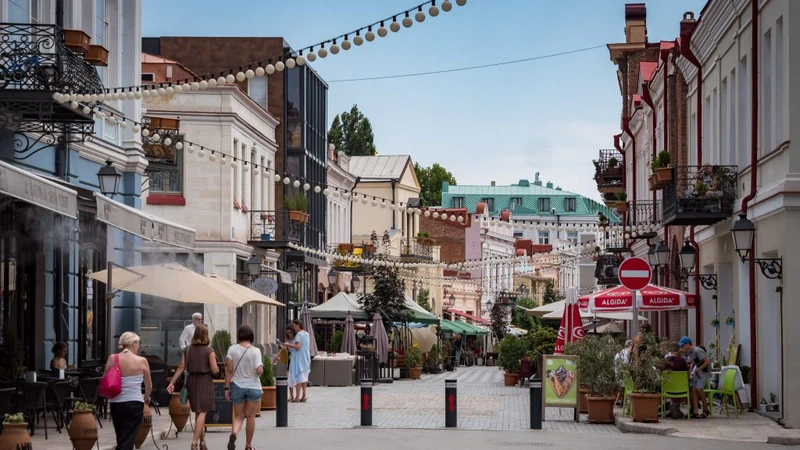
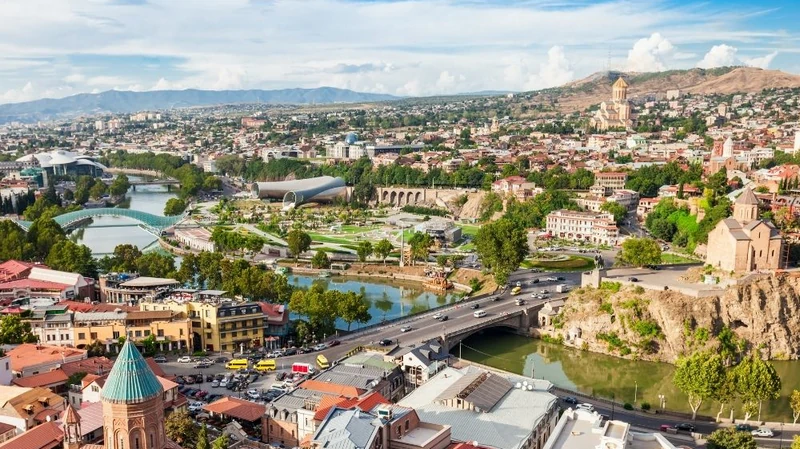
Living in Tbilisi feels like stepping into a city that's equal parts ancient charm and modern energy—cobblestone streets lined with wooden-balconied houses in the Old Town, sulfur baths steaming in hidden courtyards, and sleek cafés buzzing with digital nomads tapping away on laptops. As Georgia's capital (and home to about a third of the country's population), Tbilisi has become a magnet for expats, remote workers, and adventurers in recent years. In 2026, the vibe is still welcoming and affordable, though the post-pandemic influx has brought some changes like rising rents in popular areas and a slightly more international crowd. If you're considering a move or long stay, here's a real look at daily life, based on what expats and locals share. The Everyday Rhythm and Cost of Living in TbilisiDaily life in Tbilisi moves at its own pace—things start slow in the mornings (many spots don't open until 10 or 11 a.m.), but the city comes alive in the evenings with people out walking, dining, or grabbing wine at rooftop bars. Traffic can be chaotic, especially on Rustaveli Avenue, and air quality dips in winter from heating and cars, but green pockets like Vake Park or Mtatsminda offer easy escapes. The biggest perk? How far your money goes. In 2026, the cost of living remains one of Europe's lowest for a capital city. A single person can live comfortably on $800–$1,200 per month including rent (around €750–€1,100), while a couple or small family might spend $1,500–$2,500. Rent is the biggest variable: a modern one-bedroom in central neighborhoods like Vake or Saburtalo runs $500–$800, though you can find cheaper options ($300–$500) in quieter areas or by sharing. Utilities stay low ($70–$150 monthly for electricity, water, heating, internet), groceries for home cooking are cheap (fresh produce, cheese, bread at markets like Deserter's Bazaar), and eating out is a steal—khachapuri or khinkali meals cost $5–$10.
The Food, Culture, and Social Scene of TbilisiGeorgian food is a highlight—heartwarming, flavorful, and social. Supras (feasts) with endless toasts, walnut sauces, fresh herbs, and homemade wine are common, even casually. Tbilisi's café culture is strong: think cozy spots with great coffee, craft beer bars, and wine shops everywhere (Georgia claims the oldest winemaking tradition). Nightlife ranges from low-key jazz in Vera to lively clubs, but it's not overwhelming—many evenings end with a walk along the Mtkvari River or cable car ride to Narikala Fortress for city views. Culturally, it's rich and layered: Orthodox churches ring bells, sulfur baths offer relaxing rituals, and festivals mix pagan roots with Christian traditions. Locals are famously hospitable—strangers often invite you for coffee or share directions warmly. The expat community thrives through Facebook groups like "Expats in Tbilisi" or InterNations events, making it easy to meet people. English is common among younger folks and in tourist/expat areas, though learning basic Georgian or Russian helps outside bubbles.
Weather, Safety, and Practicalities of GeorgiaWeather gives four distinct seasons: mild springs with blooming trees, hot summers (up to 35-40°C in July/August), colorful autumns, and cold winters (down to -5°C or lower, with snow). Winters feel cozy with mulled wine and thermal baths, but summers can be sticky—many escape to higher elevations. Safety is excellent—violent crime is rare, and Tbilisi feels walkable even late at night. Petty theft happens in crowds, but it's low-risk overall. Healthcare is affordable and improving, with private clinics popular among expats. Practical side: Visa-free stays up to a year for many nationalities make settling easy. Finding a house for rent in Tbilisi Georgia (or apartment) is straightforward via myhome.ge, ss.ge, or Facebook—though pet policies or central spots require quick action. Internet is fast and reliable, coworking spaces abound, and the airport connects well to Europe and the Middle East. The Challenges of Living in TbilisiIt's not perfect. Traffic and pollution frustrate many, especially in winter. Service can feel inconsistent (customer service isn't always polished), and bureaucracy (like permits or banking) moves slowly. Job opportunities for locals or non-remote workers are limited and low-paid, so most expats work online. The expat scene has cooled a bit since peak years—some moved on—but it's still vibrant. Language barriers exist outside English-heavy zones, and occasional political protests (usually peaceful, centered on Rustaveli) can disrupt traffic. Why People Stay in Tbilisi
For many, the pros outweigh everything: stunning nature nearby (hikes in Kazbegi, wine in Kakheti), genuine warmth from locals, and a sense of living in a place that's authentic yet evolving. Tbilisi offers big-city energy without the burnout—affordable, walkable, full of flavor, and surrounded by mountains and history. Whether you're here for a year or longer, it grows on you. The blend of old-world soul and modern perks makes living in Tbilisi feel like a refreshing chapter, full of good food, great views, and unexpected friendships. It’s a place where life feels slower yet fuller—where you can afford to linger over wine with new friends, wander Narikala at sunset, or simply sit on a balcony watching the city lights come on.
ConclusionAt the end of the day, living in Tbilisi is about embracing a city that surprises you in the best ways—where ancient churches sit next to hip coffee shops, where a simple walk can lead to a spontaneous supra invitation, and where the mountains are always just a short drive away. It’s not a polished, postcard-perfect capital; it has its rough edges—traffic jams, occasional power flickers, winter smog, and that slow Georgian bureaucracy—but those quirks are part of what makes it feel authentic and human. For many who choose to stay, the real magic lies in the balance: incredibly low living costs that let you enjoy good food, weekend escapes to wine country or the Caucasus, and a vibrant social scene without constant financial pressure. The people are warm and curious, the food is soul-satisfying, and the blend of old-world charm with modern expat energy creates a sense of belonging that’s hard to find elsewhere. Whether you’re here for a year on a digital nomad visa, settling long-term, or just testing the waters while searching for a house for rent in Tbilisi Georgia, Tbilisi has a way of growing on you. 
| |
| 25.02.2026 в 11:04 | |

Комментариев нет.  |
|